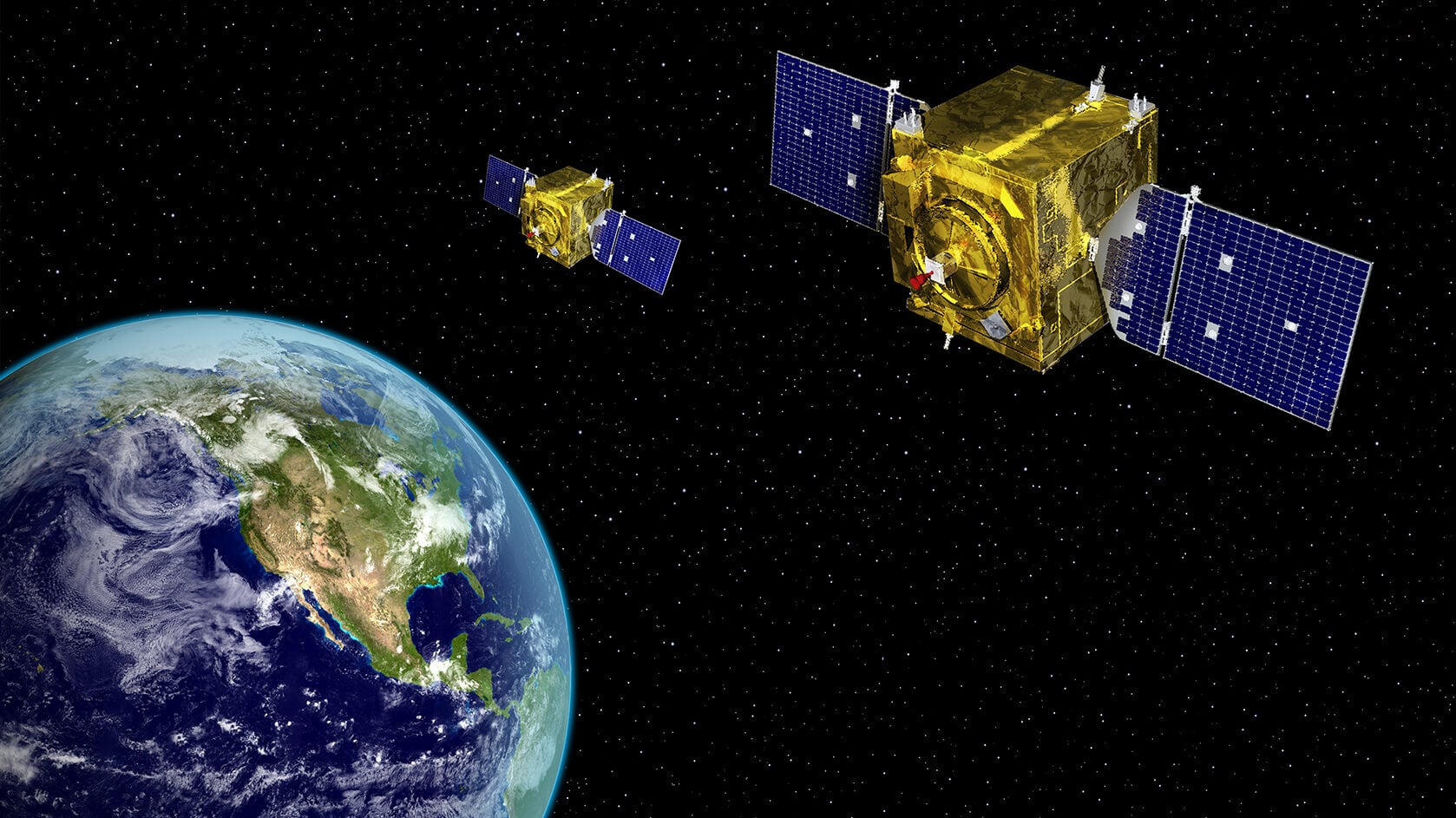
DIU, Space Force team up to kick-start buys of commercial sats for monitoring GEO
Both firms are working under earlier Pentagon contracts to demonstrate rendezvous and proximity operators that could also support future orbital warfare.
Both firms are working under earlier Pentagon contracts to demonstrate rendezvous and proximity operators that could also support future orbital warfare.
The new awards are aimed at demonstrating the ability of multiple satellite networks to connect to the Space Force's emerging Space Data Network.

AI-enabled workflows accelerate production, but cybersecurity and governance remain central.
The Defense Department will not decide whether to produce operational space-based interceptors until after industry demonstrates their feasibility, Gen. Michael Guetlein said.
The task orders come under an ID/IQ with an undisclosed value granted to nine firms in April, and follow a first order to SpaceX in May worth $4.6 billion.
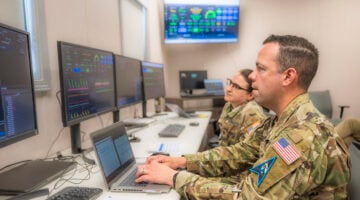
Gen. Greg Gagnon, head of Space Force Combat Forces Command, said a number of key mission areas face a serious lack of simulators needed for training Guardians.
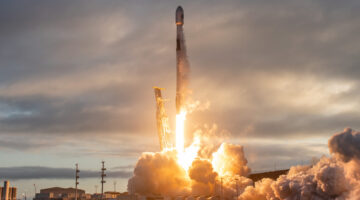
The SpaceX task order is the first to be awarded since the Space Force's July 17 massive $11.4 billion plus-up to the NSSL Phase 3 Lane 1 contract vehicle ceiling.
Supply chains are only as strong as their weakest link, which has been repeatedly proven to be true over the last few years.

The service now expects 170 NSSL Phase 3 Lane 1 launches between 2025-2034, up from 60.
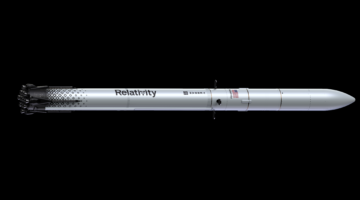
The two additions to SSC's National Security Space Launch Phase 3 Lane 1 program bring the total number of qualified launch providers to seven.
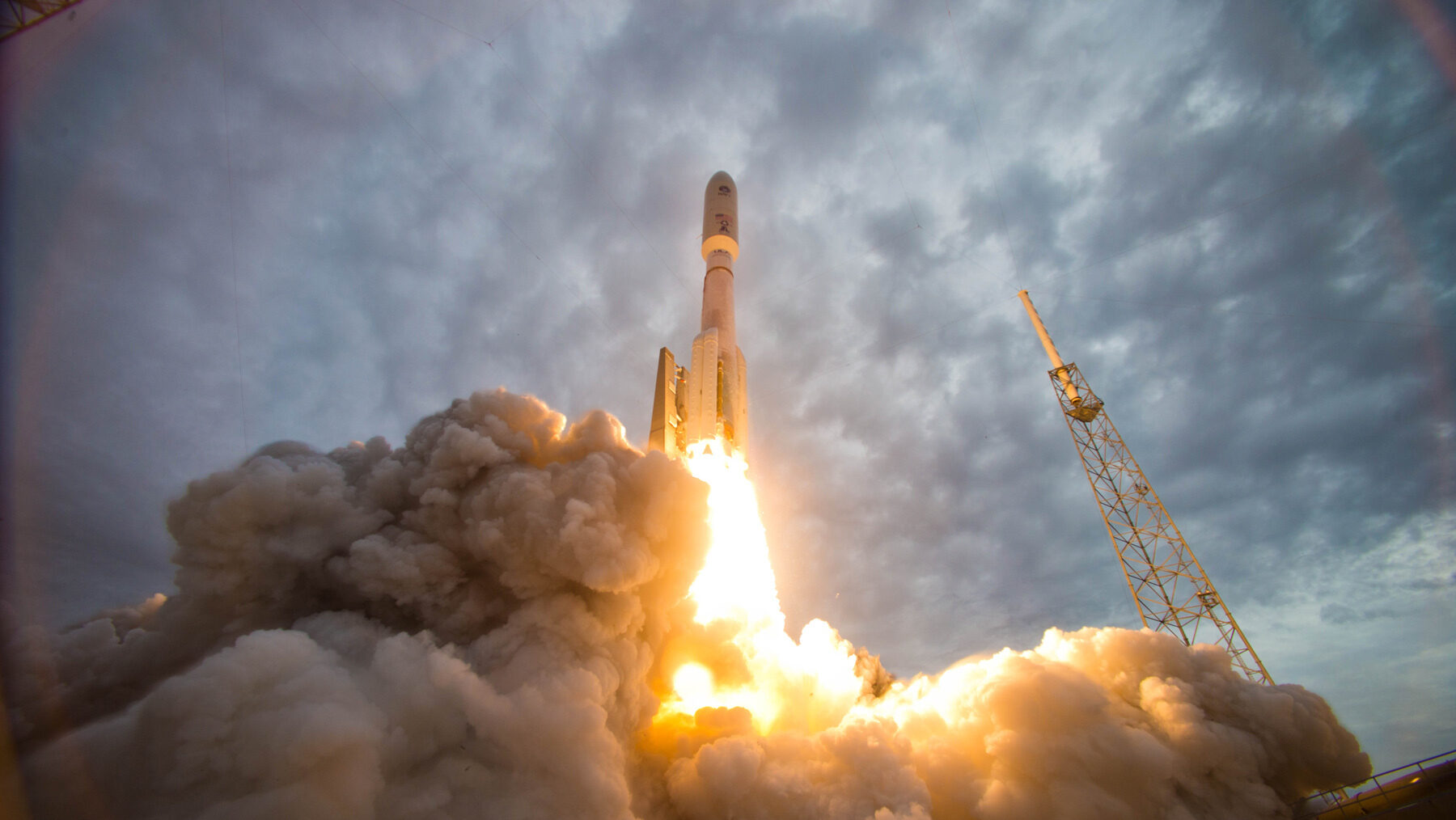
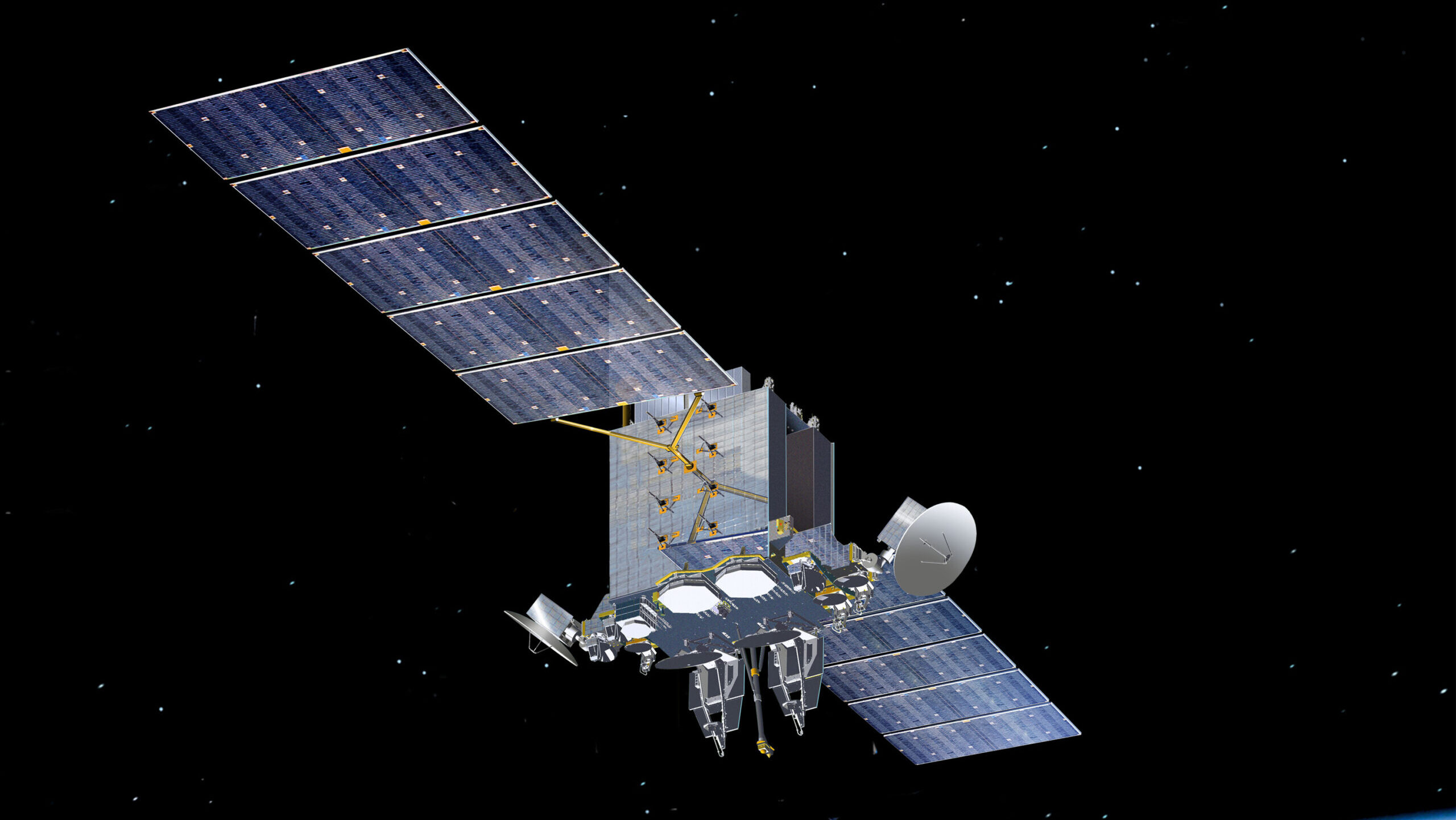
Set to be launched "no earlier" than 2031 and 2032, the new satellites will extend the life of the MUOS constellation through 2035, according to SSC.
The two awards are collectively worth $437.7 million, according to the Space Systems Command press release.

"Being able to tell the commander you don't need to do something is actually a pretty powerful message, as well."

The SpaceX "backbone" constellation will support the broader Space Data Network, which will include the Space Development Agency's Transport layer satellites.
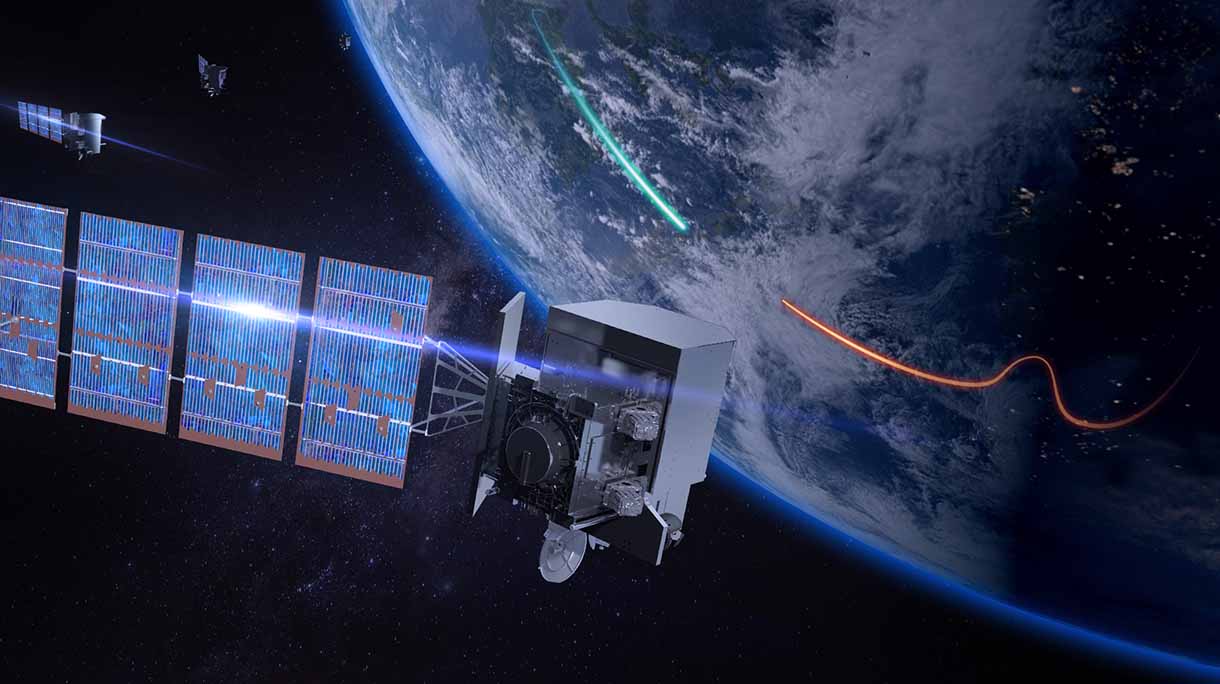
As of May 11, Sandhoo is double hatted as both head of the PAE and director of the Space Development Agency.
The rollout of a new acquisition model could reshape entities like the Space Development Agency or Space Rapid Capabilities Office, though their missions will persist, Gurpartap (GP) Sandhoo told reporters.
Lt. Gen. Philip Garrant said SSC is working to hire "several hundreds" of personnel to rebuild its decimated acquisition corps.